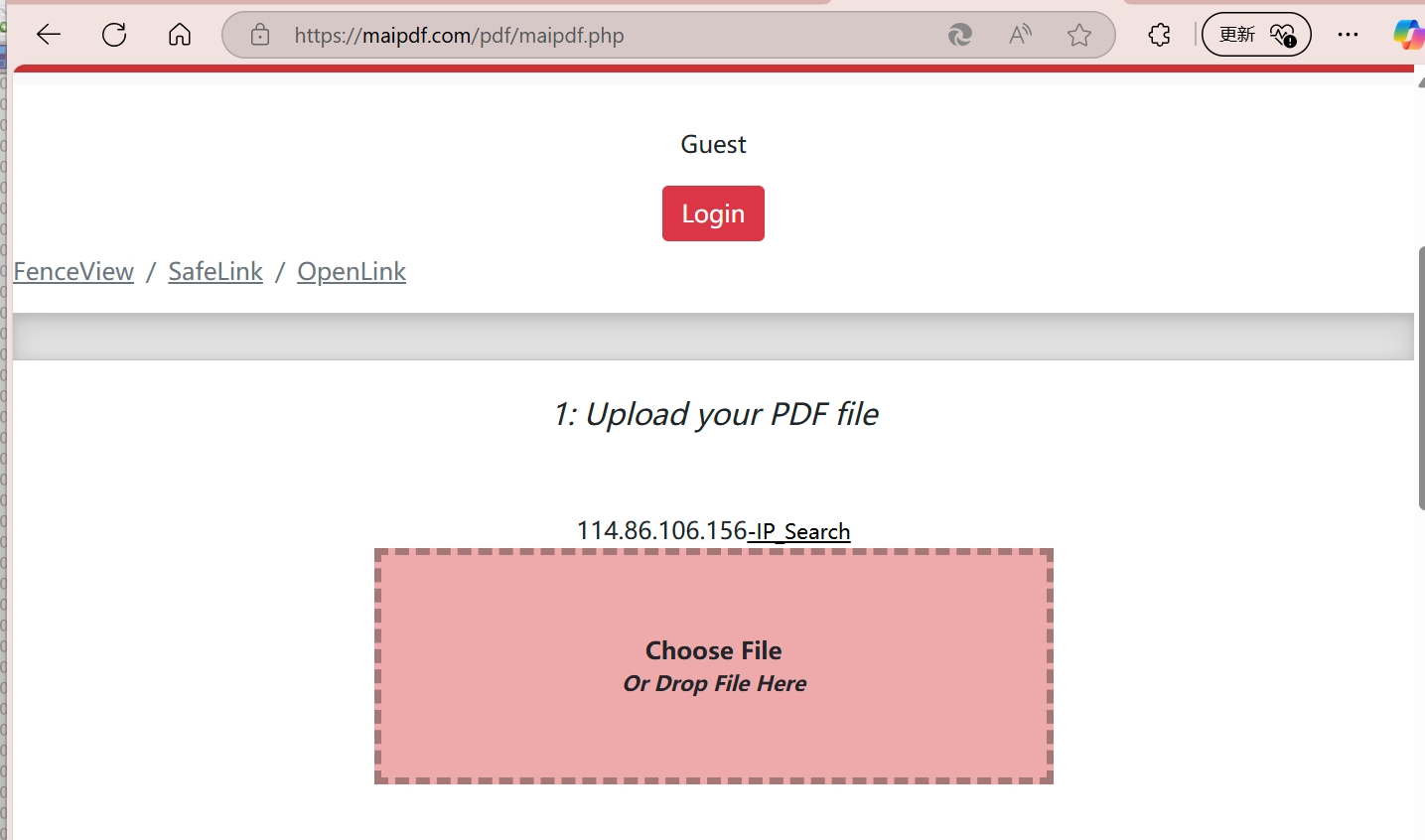
Upload a PDF and share it as a link or QR code. If the real problem is screenshots, use MaiPDF App DRM: readers open a protected .maipdf file in the app with screenshot blocking, device rules, revoke control, and watermark tracing.
Free to use No sign-up required Works on any device
Choose your path
Most files only need a browser link. If users must not casually screenshot or pass the file around, move the PDF to MaiPDF App DRM and protected .maipdf files.
.maipdf fileHow It Works
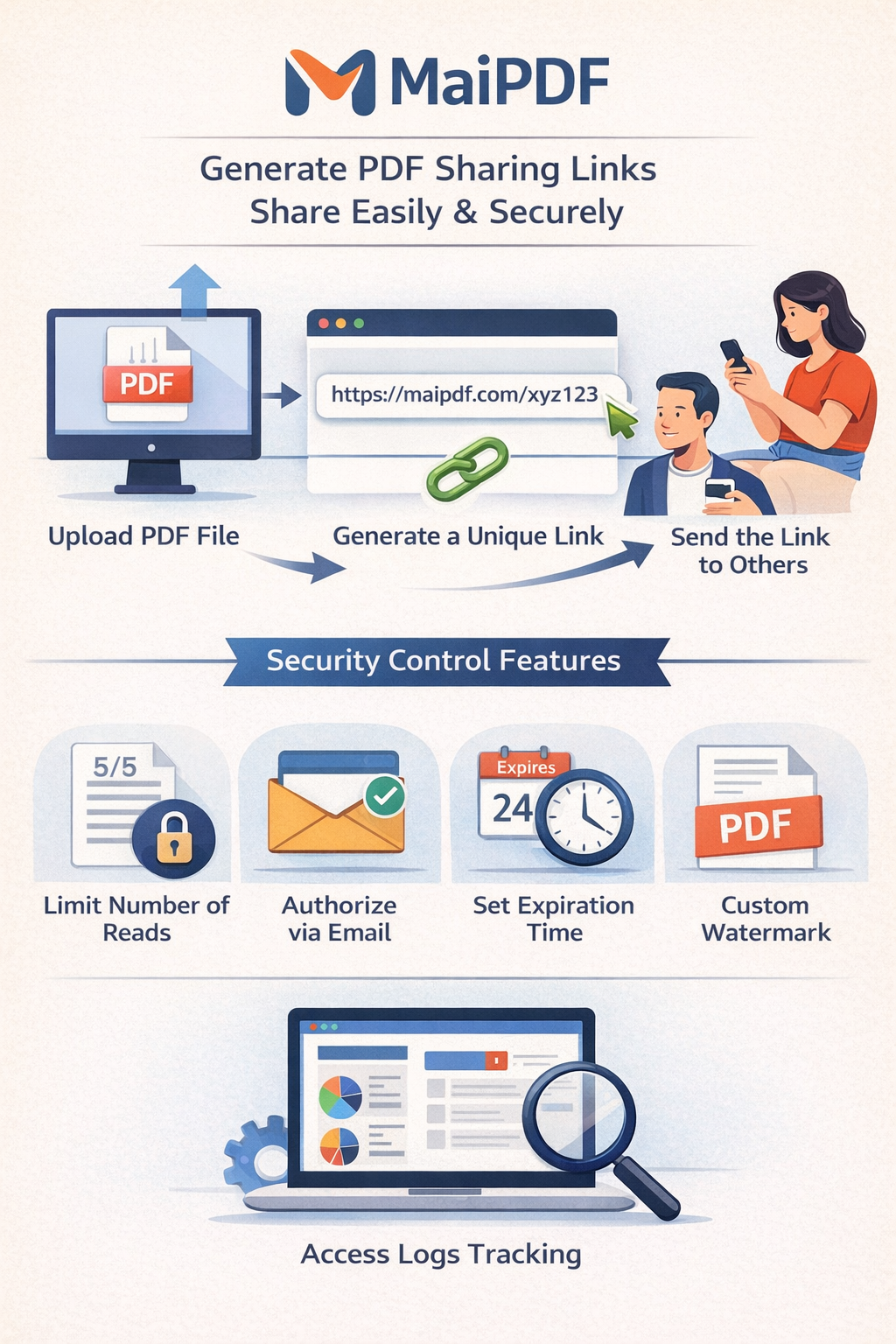
Drag and drop or click to upload. Your file is stored securely on the cloud.
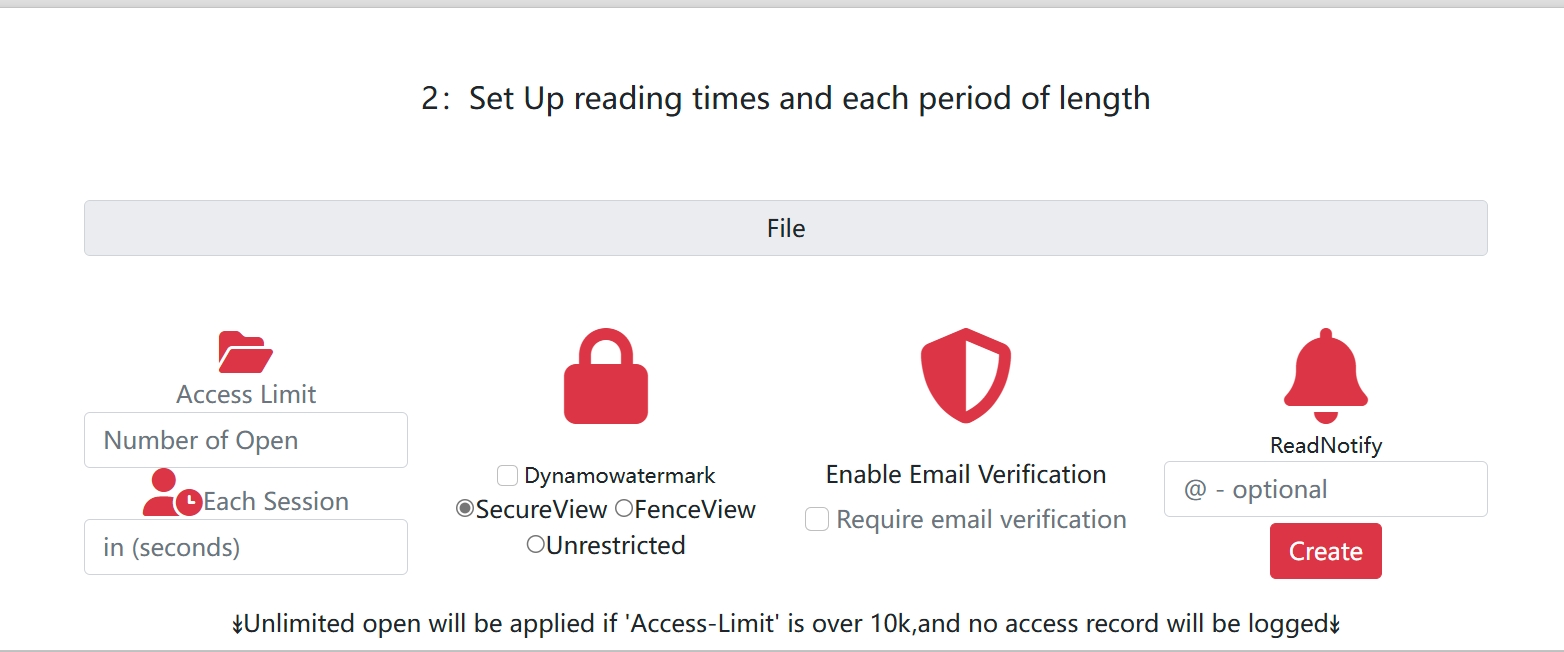
Add view limits, expiration dates, watermarks, email verification, or download restrictions.
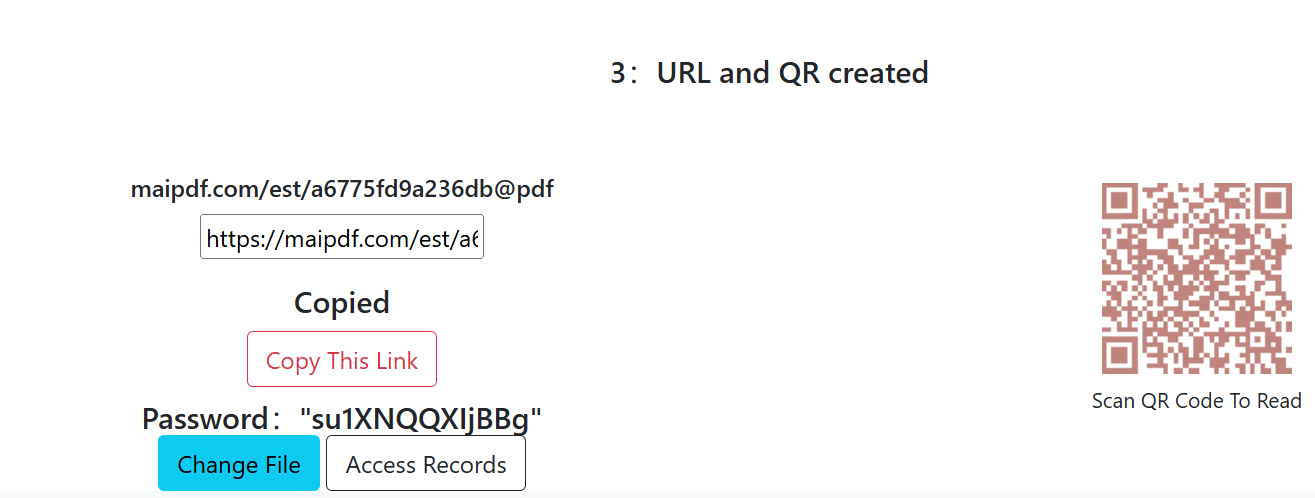
Get an instant link and QR code. Send it via email, chat, or social media — then track who opens it.
New & Updated
The latest homepage, feature directory, article index, use-case hub, and Chinese hub now separate quick PDF links from App DRM screenshot blocking and .maipdf protection.
A compact directory for link sharing, QR codes, view limits, tracking, watermarks, and App DRM screenshot blocking.
Open hub →Updated guides explain when a browser link is enough and when users need App DRM to block screenshots.
Read guides →Business, sales, education, design, and confidential-document examples with the right protection level.
View use cases →For paid course files, contracts, or confidential PDFs, use App DRM to block screenshots, bind devices, revoke access, and deliver protected .maipdf files.
Key Features
Set exactly how many times a PDF can be opened, or make it expire on a specific date. Perfect for time-sensitive documents.
Learn more →Convert any PDF into a scannable QR code. Great for print materials, events, and offline-to-online sharing.
Learn more →Add viewer-specific watermarks that reveal who leaked your document. Includes QR-based tracking codes.
Learn more →Hide common browser controls for online reading. If screenshots are the issue, use MaiPDF App DRM.
Learn more →Require a one-time email code before viewing. Know exactly who opened your document.
Learn more →Update the file behind a shared link without changing the URL. Recipients always see the latest version.
Learn more →Choose the right level
SendPDFOnline is the fast path: upload once, share a link or QR code, and manage online access. But a browser cannot fully control operating-system screenshots or copied local files.
For paid course files, confidential decks, contracts, or documents where screenshots are the main risk, use MaiPDF App DRM and protected .maipdf files.
Browser links, QR codes, view limits, expiration, watermarks, access records, and same-link PDF replacement.
Send PDF online →App reader screenshot blocking where supported, plus license checks, device binding, recipient rules, revocation, and watermark tracing.
Explore App DRM →Real-Time Analytics
See when your document was viewed, from which location, and on what device. Get notified the moment someone opens your link.
Guides & Articles
Update shared PDFs while keeping the same URL. Old link stays, new content appears instantly.
Everything you need to know about uploading, securing, and distributing PDFs via links.
Protect sensitive documents with view limits, watermarks, and email verification.
Step-by-step guide to turning any PDF into a scannable QR code for easy sharing.
How financial teams share sensitive reports with view limits and audit trails.
Share ebook previews securely without downloads. Control access and track engagement.
Use Cases
Share contracts, pricing sheets, and internal docs with controlled access.
Learn more →Share portfolios with watermarks and download protection. Track client views.
Learn more →Distribute course materials with view limits — prevent unauthorized redistribution.
Learn more →Upload a PDF, set your security preferences, and share the link — it takes less than a minute.
2026 App DRM update
.maipdf filesSendPDFOnline is now positioned as the promotion and education hub for MaiPDF. Use this site to explain fast Online Cloud Sharing, then say the App clearly: use MaiPDF App DRM when the job is to block screenshots, bind devices, revoke access, and trace leaks.